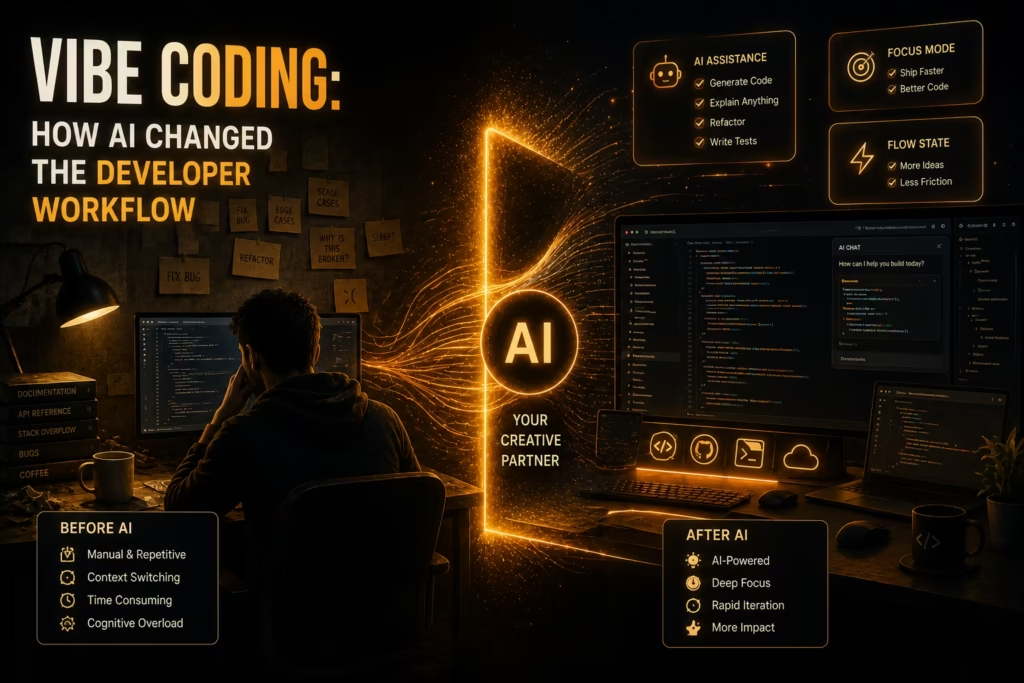
A new phrase is spreading through tech: vibe coding. It describes building software by prompting AI, then steering the result. In fact, vibe coding is changing how developers work day to day. So what is it really — and where are the limits?
What vibe coding actually is
First, you describe what you want in plain language. Then the AI writes a first version. Next, you run it, react, and refine. As a result, coding feels more like a conversation. Meanwhile, the developer shifts from typing to directing. In short, vibe coding trades keystrokes for judgment.
Where vibe coding shines
That said, it works brilliantly for some tasks. For example, prototypes come together in hours, not days. Similarly, boilerplate and glue code almost write themselves. Also, it lowers the barrier for non-experts. Because you can describe an idea and watch it run. In fact, surveys like the Stack Overflow Developer Survey show adoption climbing fast.
Where it falls apart
However, vibe coding has real limits. First, AI code can look right yet hide bugs. Second, it struggles with large, complex systems. Therefore, someone still needs to understand the code. Otherwise, small problems compound quietly. In short, vibes get you started, but engineering keeps you safe. This is the same lesson as AI in web development.
How to vibe code responsibly
So how do you get the upside without the risk? First, review every generated line. Next, add tests, not just vibes. Then, keep humans accountable for architecture. Also, treat AI as a fast junior, not a senior. Because taste and judgment still can’t be prompted. Meanwhile, security always needs a real review.
Vibe coding and your team
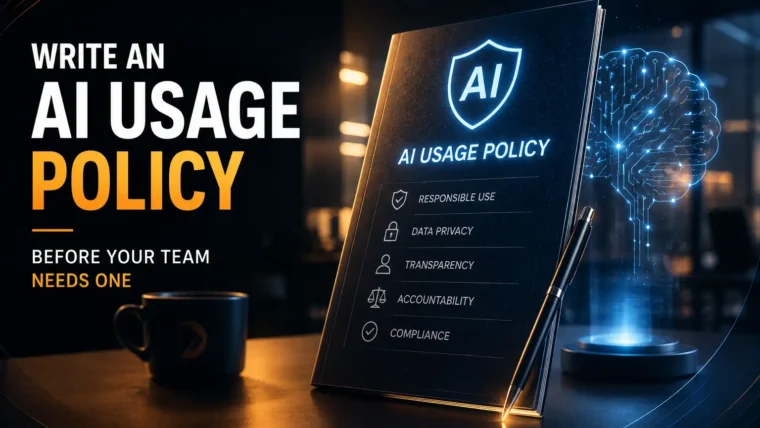
Meanwhile, the skill mix is shifting. First, junior developers ship faster with AI. Second, senior judgment matters more, not less. Therefore, teams need reviewers, not just writers. Also, clear standards keep quality high. In short, vibe coding rewards teams that already code well.
The takeaway
Ultimately, vibe coding is a powerful accelerator. Still, it’s a tool, not a replacement for skill. So use it to move faster, then verify carefully. If you want software built with AI speed and human rigour, our team does exactly that. After all, the best code feels effortless — because someone did the hard part well.