When people hear “AI safety,” they often picture science fiction. In reality, it’s far more practical. For a business, AI safety means reliable, honest, controllable systems. So let’s ground the idea in everyday terms — and why it matters to you.
What AI safety really means for business
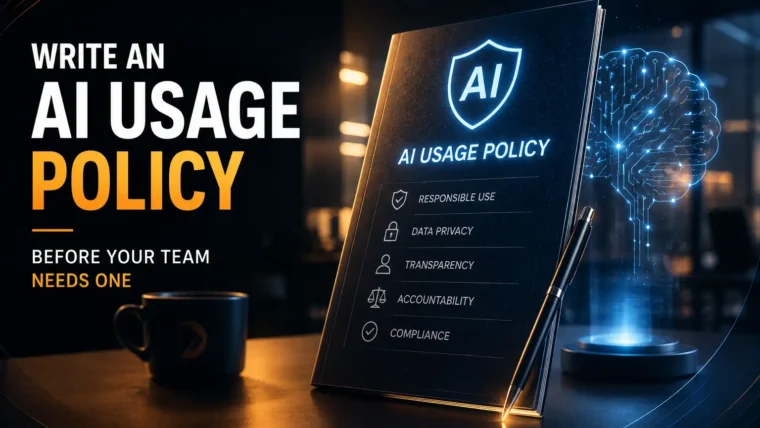
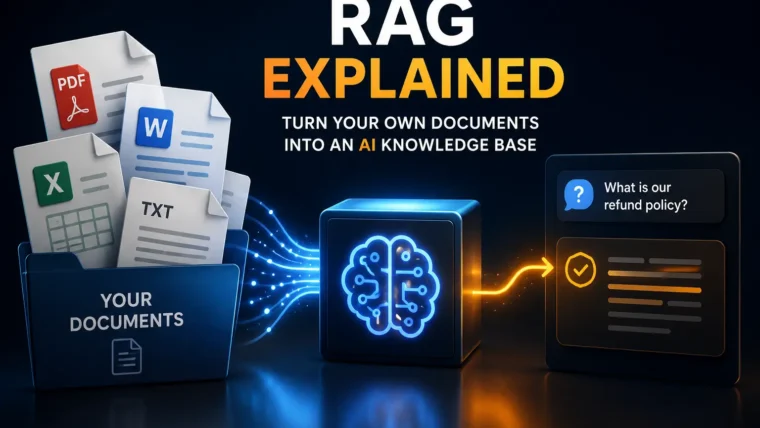
First, safety means the model does what you intend. Second, it means the model admits what it doesn’t know. Third, it means you can control and audit its behaviour. For example, a support bot should never invent a refund policy. Therefore, safety is really about trust and reliability. Because an unreliable tool is a liability, not an asset.
Why it’s a business issue, not just research
That said, safety isn’t only for big labs. In fact, every AI feature you ship carries risk. For example, a confident wrong answer can mislead a customer. Meanwhile, a data leak can breach both trust and the law. So safety failures hit revenue and reputation directly. Firms like Anthropic built their whole approach around this idea.
Practical safety steps you can take
So how do you build safer AI features? First, keep a human in the loop for anything sensitive. Next, constrain what the model can access. Then, log its outputs so you can review them. Also, test with tricky, adversarial inputs. Because the edge cases are where trust breaks. In short, treat AI like any critical system — with guardrails.
Safety and speed aren’t enemies
Still, some fear safety slows them down. Actually, the opposite is often true. First, reliable systems need less firefighting. Second, they earn customer trust faster. Therefore, safety becomes a competitive edge, not a tax. Meanwhile, cutting corners tends to cost far more later.
Safety builds customer trust
Meanwhile, customers notice reliability. First, they return to tools that work. Second, they warn others about tools that don’t. Therefore, safety quietly drives word of mouth. Also, clear limits reassure cautious buyers. In short, trustworthy AI sells better than flashy AI.
The bottom line
Ultimately, AI safety is just good engineering with high stakes. So build features you can trust, explain and control. If you want AI in your product without the risk, our team designs for safety from the start. After all, the safest AI is the one your customers can rely on.