

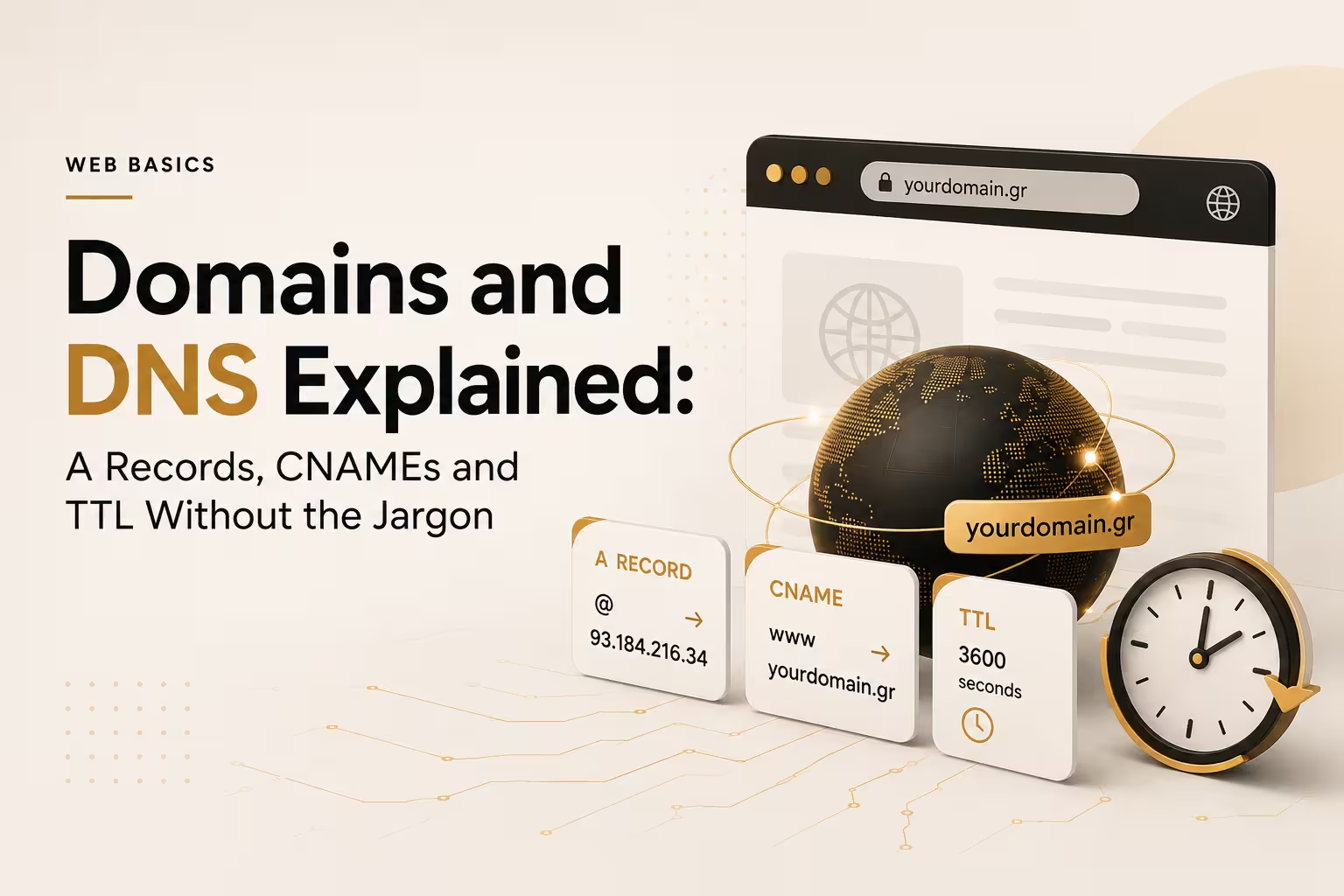
Sooner or later, someone asks you to “change a DNS record” — and the panic starts. Yet DNS records are simply the address book of the internet, and there are only a handful you will ever touch. Once you understand what each one does, moving a website or fixing broken email stops feeling like surgery. So let’s translate the jargon into something you can act on.
Domain, registrar, nameservers: who holds what
Your domain is the name you rent, usually for a year at a time. The registrar is the company you rent it from. However, the registrar does not have to hold your DNS. Your nameservers decide which system answers questions about your domain, and those can live at your host, at your registrar, or at a service like Cloudflare. Therefore the first question in any DNS problem is always the same: where do the nameservers point right now?
The five DNS records that matter
- A record — points a name at an IPv4 address. This is what sends
yourdomain.grto your server. AAAA does the same for IPv6. - CNAME — points a name at another name, for example
wwwat your root domain. Handy, because the target can change without you touching anything. - MX — decides where your email is delivered. Change this carelessly and mail stops, even though the website stays up.
- TXT — holds verification strings plus your SPF, DKIM and DMARC policies.
- NS — the nameservers themselves, set at the registrar.
Notice the split: website records and email records are independent. As a result, you can move hosting without touching mail — as long as you copy the MX and TXT entries first. Cloudflare’s plain-English DNS reference is a good bookmark when you want the deeper detail.
TTL, propagation and why nothing changes instantly
TTL, or time to live, tells the world how long it may cache an answer. A TTL of 3600 means resolvers keep the old value for up to an hour. So before a planned migration, drop the TTL to 300 a day in advance. Then the switch takes minutes instead of hours. Afterwards, raise it again, because long TTLs are slightly faster and far kinder to your DNS provider.
A safe checklist before you change anything
First, screenshot or export the current zone. Second, confirm the new server already serves your site correctly, ideally over a temporary URL. Third, lower the TTL. Fourth, change only the records you meant to change — the A record, usually. Finally, test the site, then send and receive a test email. If mail breaks, compare your MX and SPF lines against the notes in our guide to emails landing in spam.
One more habit worth building: keep the domain in an account you control, with the renewal on a card that does not expire quietly. Agencies come and go, but the domain is yours. If you are weighing a host move as well, our comparison of shared, VPS and managed hosting covers where to land. And if you’d rather not touch the zone file at all, our team can run the migration with the mail intact.